Why Spreadsheets Fail at IT Asset Management—and How ServiceNow ITAM Fixes It
March 19, 2026
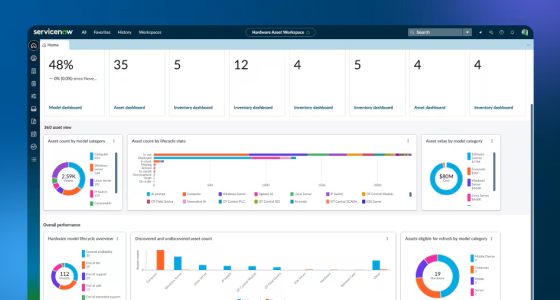
As digital transformation accelerates, IT asset management (ITAM) can’t be treated as an afterthought. For years, many organizations tracked laptops, servers, software licenses, and network equipment in spreadsheets. But as environments scale and become more hybrid and cloud-driven, spreadsheets turn into a hidden cost—and a growing risk.
A modern approach is to automate ITAM on ServiceNow, using a unified platform that connects data, workflows, and teams. The result is better cost control, stronger compliance, and real-time visibility into your IT estate.
Spreadsheets feel simple: they’re familiar, cheap, and quick to start. The problem is they break at scale:
The outcome is predictable: unused assets, overbuying, licensing exposure, shadow IT, and more service tickets caused by inaccurate inventory.
Automating ITAM on ServiceNow is not just about tracking assets—it’s about managing the full lifecycle through connected workflows and a consistent data foundation.
Most organizations focus on capabilities like:
A single source of truth reduces duplication and improves decision-making. ServiceNow’s platform approach supports enterprise visibility with a unified architecture and data model.
From planning and procurement to deployment, support, maintenance, and retirement—managed as a continuous lifecycle on one platform.
ServiceNow emphasizes a proactive posture for software compliance—maintaining current license position, reducing spreadsheet dependency, and staying audit-ready without last-minute fire drills.
Real value appears when asset data is connected to incidents, requests, and change—teams resolve faster because they work with context, ownership, and traceability.
Dashboards help surface waste (unused software, surplus devices), track lifecycle events, and support ROI reporting with measurable outcomes.
Modernizing ITAM typically drives returns across five areas:
At enterprise scale, the benefits compound when ITAM runs on a platform designed to connect silos and automate workflows across the business.
Software audits and regulatory requirements don’t tolerate guesswork. With manual tracking, organizations rely on last-minute cleanups and unclear records.
With ServiceNow ITAM, teams can:
Moving from spreadsheets to automated ITAM on ServiceNow isn’t just about organizing inventory: it’s about gaining control, improving compliance, and creating enterprise-wide visibility with a unified platform and data model built to scale.
Ready to move beyond spreadsheets and unlock measurable value with ServiceNow ITAM? Contact us!